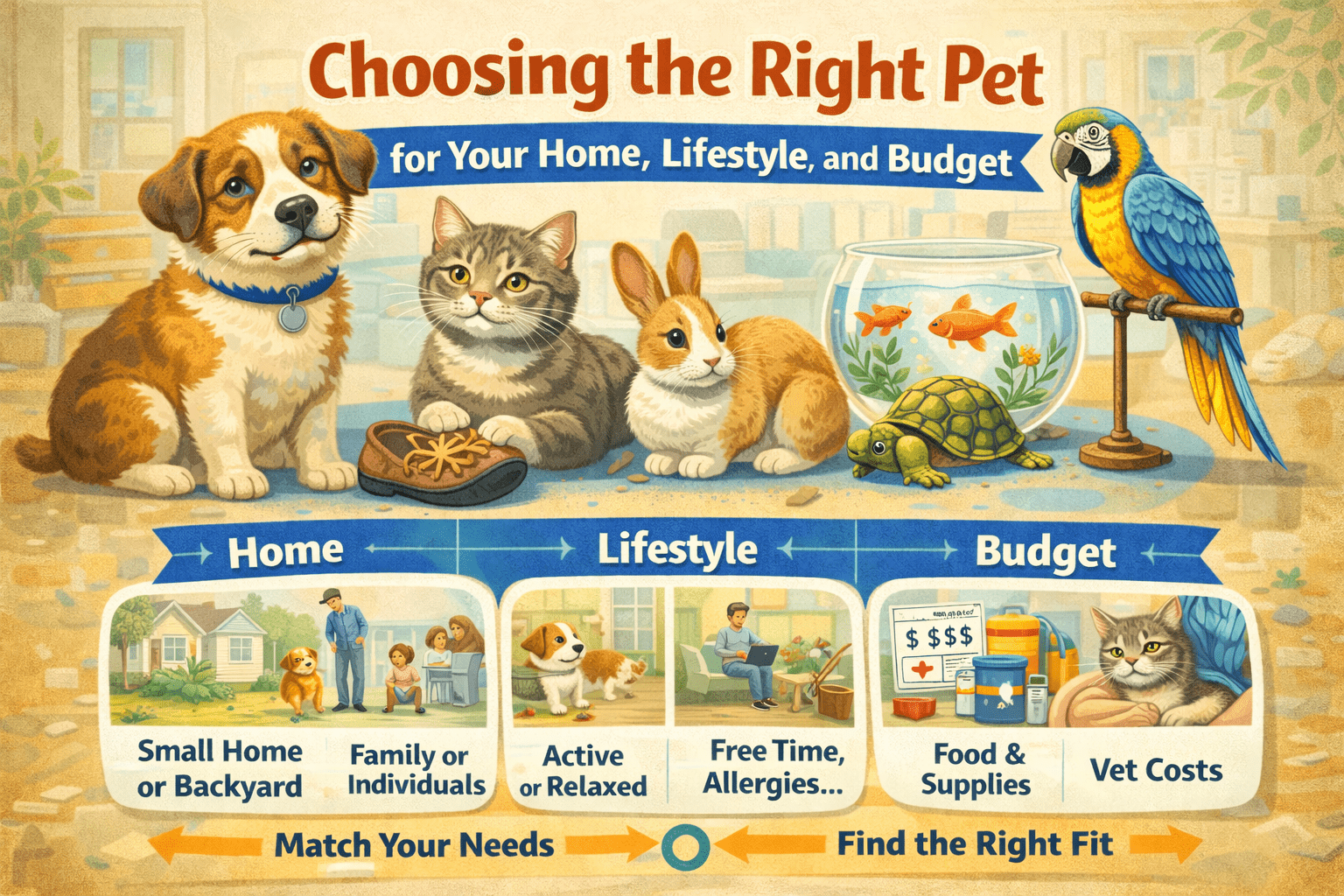
Choosing the Right Pet for Your Home, Lifestyle, and Budget
Introduction
Choosing a pet is not just an emotional decision—it is a long-term responsibility that affects your lifestyle, finances, time, and emotional well-being. Many new pet owners choose based on appearance or impulse, only to face stress, guilt, or rehoming later.
This guide helps you choose the right pet for your home, schedule, experience level, and budget, so both you and your pet can thrive together.
Why Choosing the Right Pet Matters
A mismatch between pet needs and owner lifestyle often leads to:
- Behavioral problems
- Neglect (unintentional)
- Stress for both pet and owner
- Rehoming or abandonment
The right match creates:
- Strong bonding
- Easier training
- Lower expenses
- Happier long-term companionship
Step 1: Assess Your Lifestyle Honestly
Time Availability
Ask yourself:
- How many hours per day am I home?
- Can I commit to daily exercise and interaction?
Dogs generally require more daily time than cats or small animals.
Activity Level
- Active people → energetic dogs
- Calm or busy individuals → cats or low-energy pets
Choosing a high-energy pet with a sedentary lifestyle creates frustration for both sides.
Travel Frequency
If you travel often:
- Who will care for your pet?
- Can you afford pet boarding or sitters?
Some pets adapt better to travel absences than others.
Step 2: Understand Different Pet Types
Dogs
Best for:
- Owners with time and routine
- Active individuals or families
Pros:
- Loyal and social
- Trainable
- Strong emotional bond
Cons:
- Daily exercise required
- Higher grooming and vet costs
Cats
Best for:
- Busy owners
- Apartment living
Pros:
- Independent
- Lower maintenance
- Self-grooming
Cons:
- Less trainable
- Subtle health signs
Small Pets (Rabbits, Hamsters, Birds)
Best for:
- Limited space
- Lower activity owners
Pros:
- Lower initial cost
- Compact living needs
Cons:
- Specialized care
- Shorter lifespan (some species)
Step 3: Consider Space and Housing Rules
Your living environment matters.
Apartment vs House
- Large dogs need space
- Cats adapt well to apartments
- Small pets need proper enclosure space
Always check landlord or housing rules before adopting.
Step 4: Budgeting for Pet Ownership
Monthly Costs
- Food
- Litter or bedding
- Grooming
- Preventive care
Annual & Emergency Costs
- Vaccinations
- Vet visits
- Emergency treatment
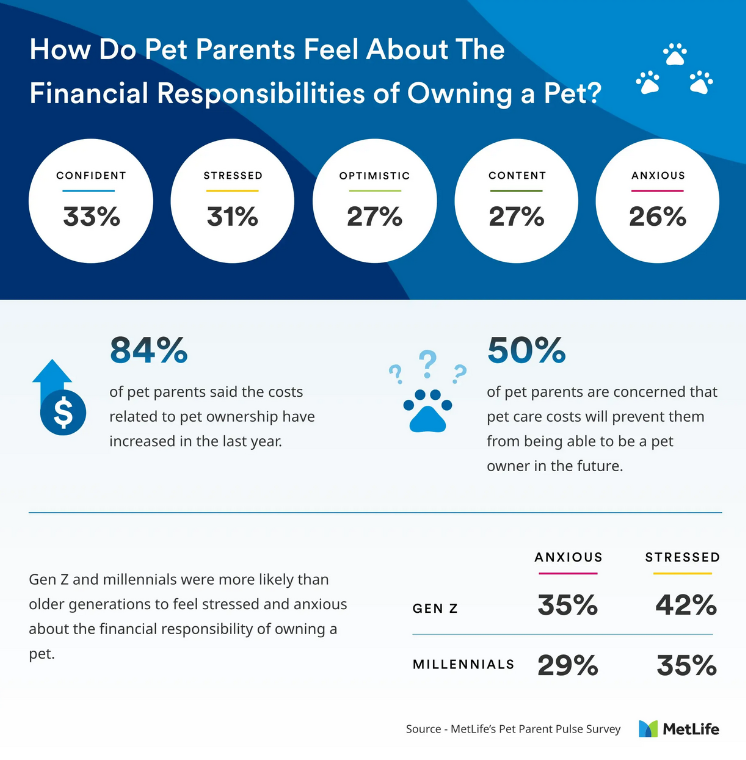
Pets are a financial commitment, not just emotional.
Step 5: Adoption vs Buying
Adoption
- Saves lives
- Often lower cost
- Adult pets may already be trained
Buying
- Predictable breed traits
- Higher cost
- Requires responsible breeder research
Adoption is often the best choice for first-time owners.
Step 6: Matching Pet Personality With Yours
Every pet has a unique personality.
Look for:
- Energy compatibility
- Social behavior
- Handling tolerance
Spend time with a pet before deciding.
Common Mistakes to Avoid
- Choosing based on looks alone
- Ignoring long-term costs
- Underestimating time commitment
- Choosing trendy breeds
🎥 YouTube Video Suggestion:
Conclusion
The best pet is not the cutest or most popular—it’s the one that fits your life. Thoughtful decision-making ensures a lifelong, happy relationship for both you and your pet.