Daily Pet Care Routine for Busy Owners (A Complete Practical Guide)
Introduction
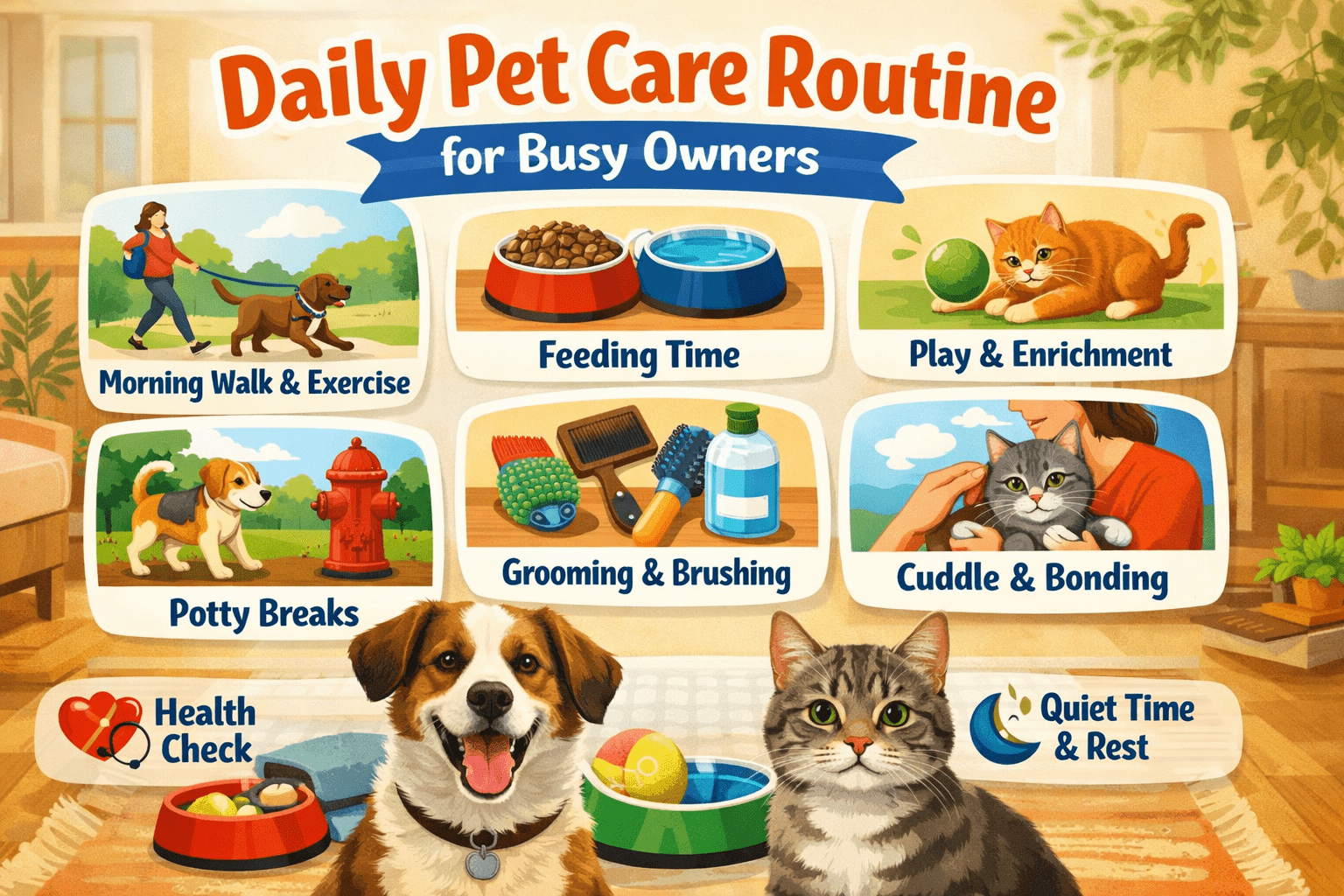
Modern life is busy. Between work, family, and personal responsibilities, many pet owners worry they are not doing “enough” for their pets. The truth is, great pet care does not require endless free time. What pets truly need is consistency, awareness, and intentional care.
A well-structured daily routine helps pets feel safe, reduces anxiety, improves behavior, and supports long-term physical health. Whether you own a dog, a cat, or both, this guide will show you how to build a realistic, effective daily pet care routine—even with a packed schedule.
Why a Daily Routine Is Essential for Pets
Pets thrive on predictability. Unlike humans, animals do not understand changing schedules or sudden disruptions.
A consistent routine:
- Reduces stress and anxiety
- Improves digestion and appetite
- Encourages better sleep
- Prevents behavior problems
- Helps owners notice health changes early
Busy owners often skip routines unintentionally, not out of neglect—but lack of structure. This guide fixes that.
Morning Routine: Setting the Tone for the Day
1. Fresh Water and Proper Feeding
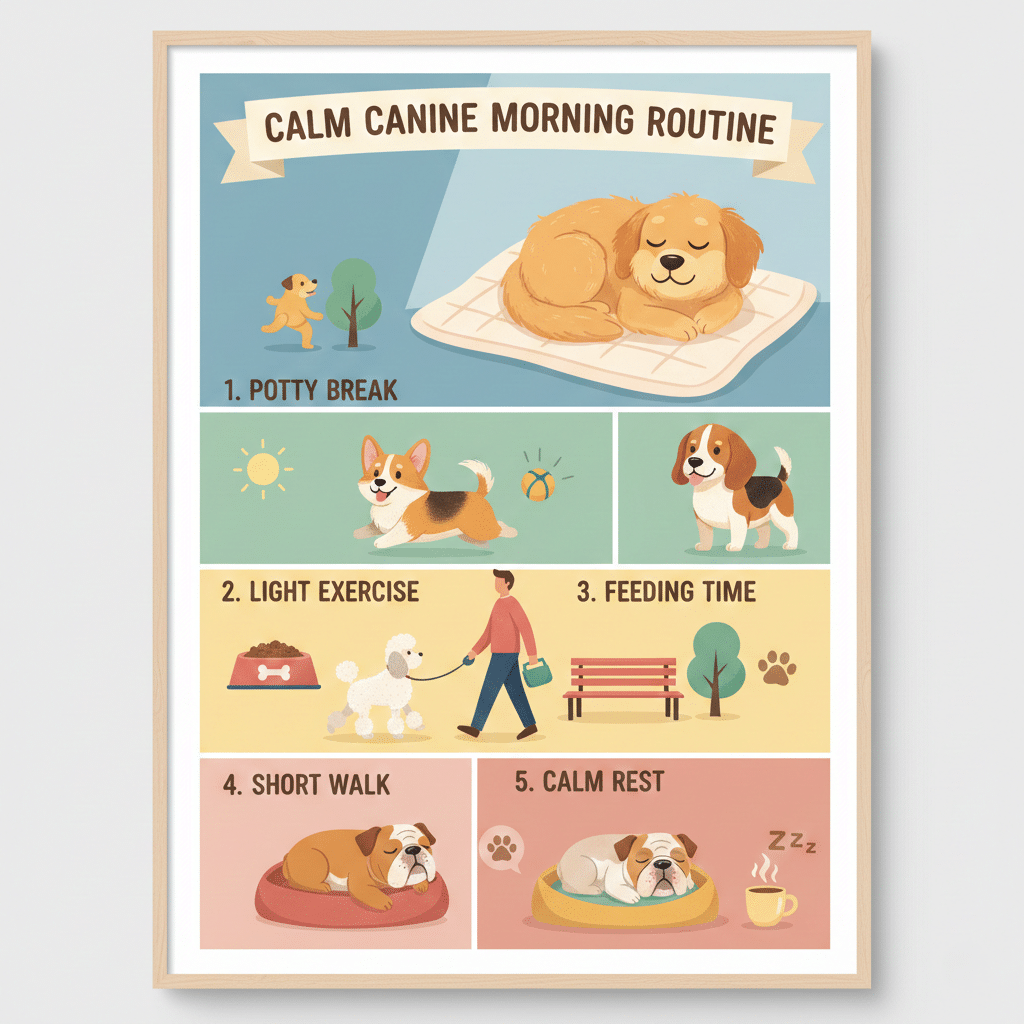
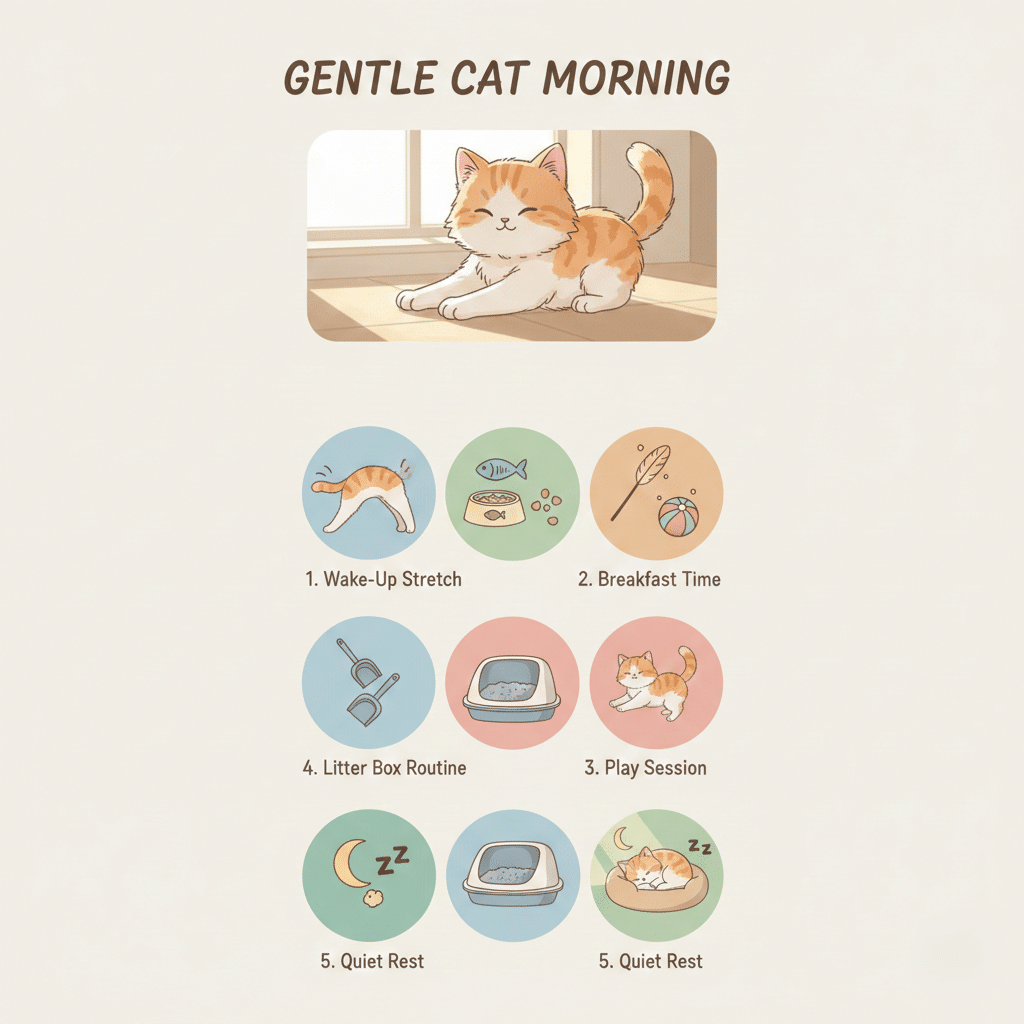
Start every morning by replacing your pet’s water with clean, fresh water. Dehydration is more common than most owners realize.
Feed your pet a measured portion, not free-feeding. Portion control prevents:
- Obesity
- Digestive issues
- Long-term health problems
Stick to the same feeding time daily. Pets quickly learn routines and feel secure when meals are predictable.
2. Morning Physical Activity
Dogs should get a short walk or active play session in the morning. Even 10–15 minutes helps:
- Release pent-up energy
- Improve digestion
- Reduce destructive behavior
Cats benefit from interactive play using feather toys, laser pointers, or puzzle toys.
3. Quick Health Check
You don’t need medical training—just awareness.
Check:
- Eyes (clear, no discharge)
- Ears (no strong odor or redness)
- Energy level (normal behavior?)
- Appetite
Catching small changes early prevents major problems later.
Midday Care: Supporting Your Pet While You’re Busy
Mental Stimulation Matters
Many pets develop anxiety or destructive habits due to boredom, not lack of love.
Provide:
- Puzzle feeders
- Safe chew toys
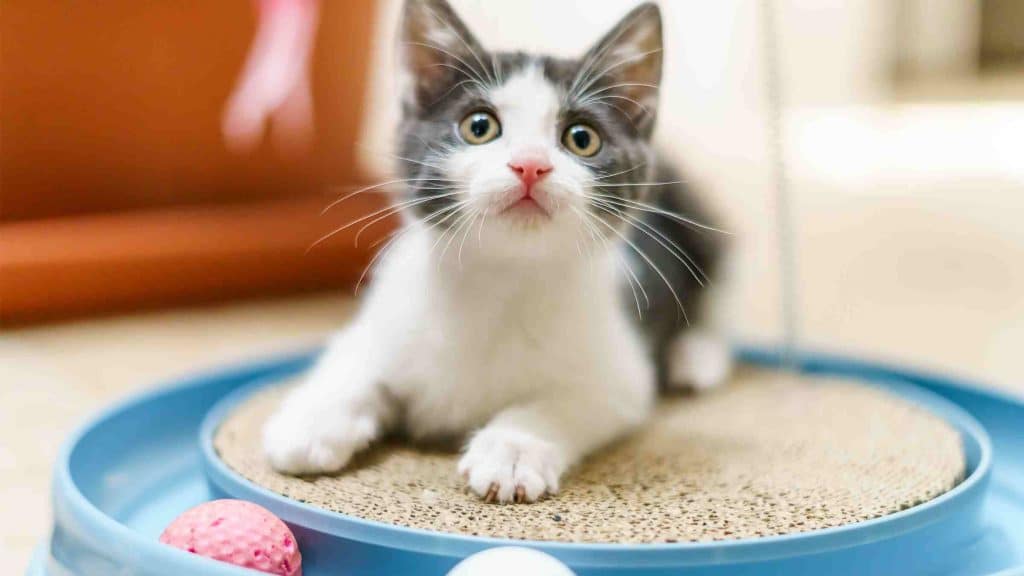
- Scratching posts (for cats)
- Window access for visual stimulation
Mental exercise is just as important as physical activity.
Environment Check
Ensure:
- Comfortable temperature
- Quiet resting area
- Safe space away from loud noises
A calm environment helps pets relax while you’re away.
Evening Routine: Bonding and Wind-Down Time
1. Exercise and Interaction
Evening walks should be calmer than morning ones. The goal is relaxation, not excitement.
For cats, gentle play followed by quiet interaction works best.
2. Light Grooming
Brushing:
- Reduces shedding
- Improves coat health
- Strengthens bonding
This is also a great time to check for skin issues, ticks, or injuries
3. Dinner and Rest
Serve dinner at a consistent time. Avoid feeding too late at night to prevent digestive discomfort.
Create a quiet sleeping space free from bright lights and noise.
Weekly Tasks That Support Daily Care
Daily routines work best when supported by weekly habits:
- Wash food and water bowls
- Clean bedding
- Trim nails if needed
- Inspect teeth and gums
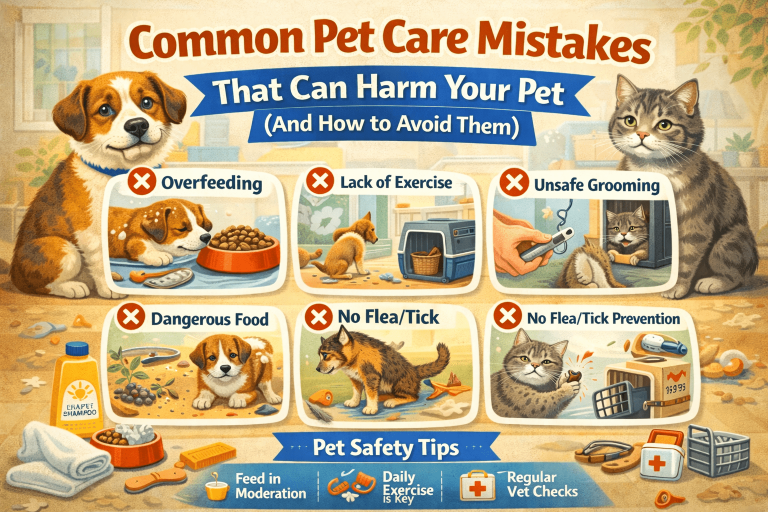
Common Mistakes Busy Owners Make
- Skipping exercise due to time pressure
- Overfeeding to “make up” for guilt
- Ignoring subtle health changes
- Inconsistent feeding times
These habits often lead to long-term issues.
How to Stay Consistent With a Busy Schedule
- Set phone reminders
- Prepare food portions in advance
- Keep grooming tools visible
- Combine pet time with relaxation time
Routine becomes easy when it’s intentional.
🎥 YouTube Video Suggestion:
Conclusion
Pet care is not about perfection—it’s about consistency. A simple daily routine keeps pets healthy, calm, and emotionally secure. Even busy owners can provide excellent care by focusing on small, meaningful habits every day.