Separation Anxiety in Pets: Causes, Signs, and Proven Solutions
Introduction
Separation anxiety is one of the most misunderstood pet behavior issues. Many owners think their pet is being “naughty” or “dramatic,” when in reality, the pet is experiencing real emotional distress.
Separation anxiety affects both dogs and cats and can severely impact quality of life if left untreated.
What Is Separation Anxiety?
Separation anxiety occurs when a pet becomes extremely stressed when separated from their owner or left alone.
It is not misbehavior—it is a panic response.
Common Signs of Separation Anxiety
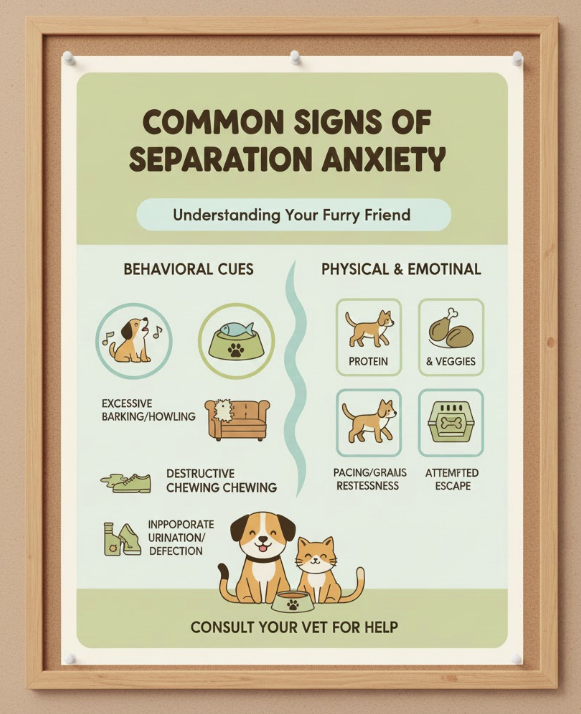
Behavioral Signs
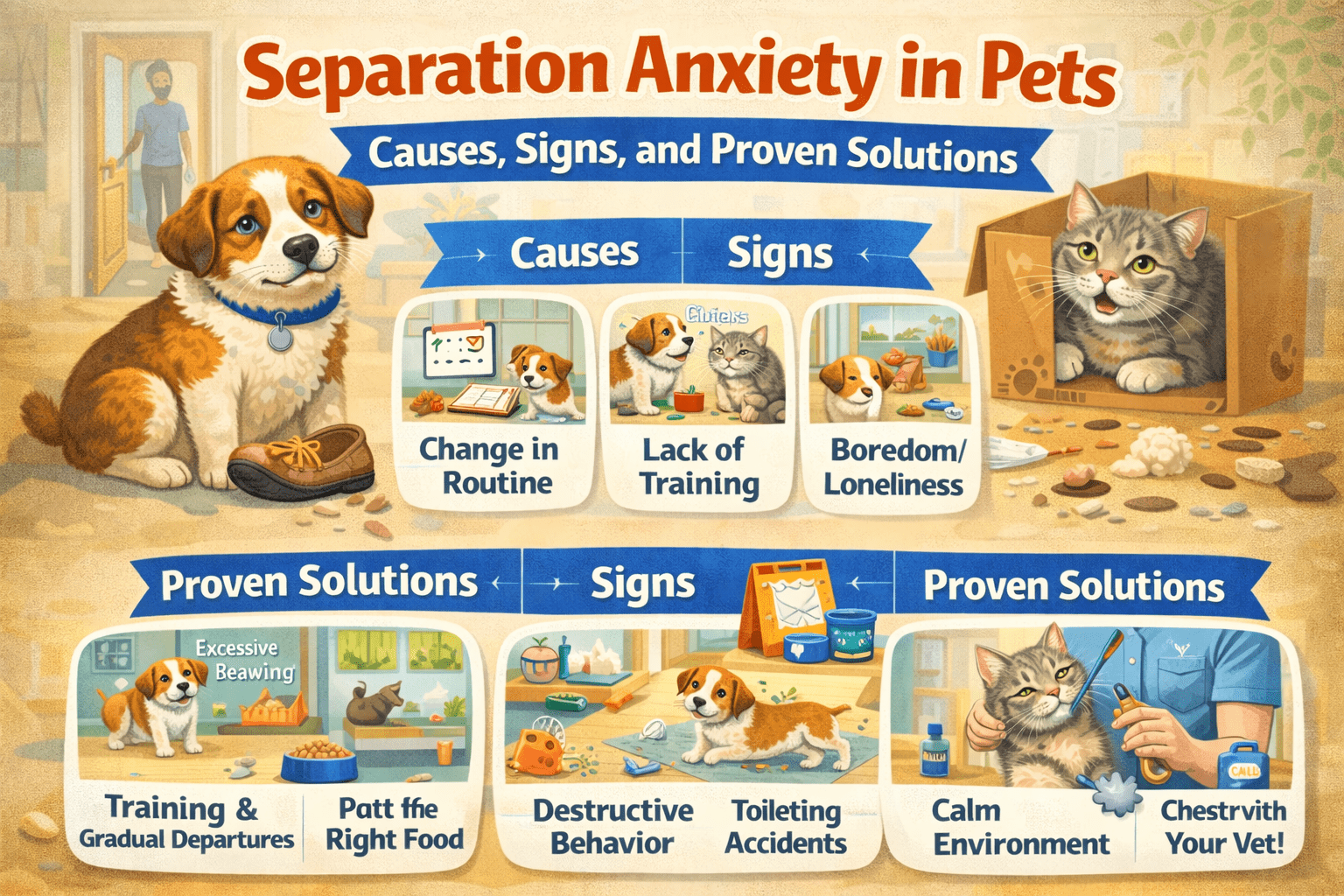
- Destructive chewing
- Scratching doors or furniture
- Excessive barking or meowing
- Pacing or restlessness
Physical Symptoms
- Drooling
- Panting
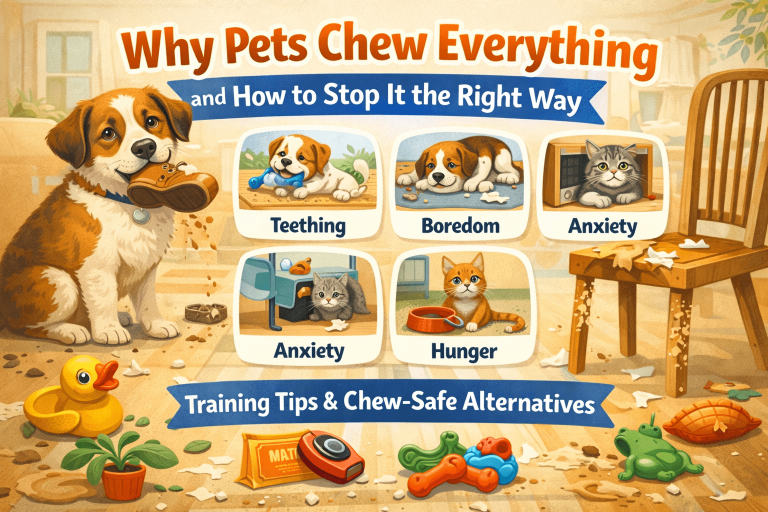
- Accidents indoors
- Loss of appetite
Why Pets Develop Separation Anxiety
1. Sudden Routine Changes
New work schedules, moving homes, or changes in family structure can trigger anxiety.
2. Over-Attachment
Pets that never experience alone time may struggle when separation suddenly occurs.
3. Past Trauma
Rescue pets or those with abandonment history are more prone to anxiety.
Why Punishment Makes Anxiety Worse
Punishment:
- Increases fear
- Breaks trust
- Intensifies anxiety symptoms
Anxious pets need reassurance, not discipline.
How to Reduce Separation Anxiety Safely
Step 1: Gradual Desensitization
Practice short departures and returns without excitement.
Increase time slowly.
Step 2: Create a Safe Environment
Provide:
- Comfortable resting area
- Familiar scents
- Background noise
Predictability reduces stress.
Step 3: Mental and Physical Stimulation
Tired pets cope better with alone time.
Use:
- Walks before leaving
- Puzzle toys
- Food-dispensing toys
Step 4: Calm Departures and Arrivals
Avoid dramatic goodbyes or greetings.
Keep emotions neutral.
Step 5: Seek Professional Help When Needed
Severe cases may require:
- Behaviorists
- Veterinarian support
- Temporary medication
Early intervention prevents escalation.
Separation Anxiety in Cats (Often Overlooked)
Cats may show anxiety through:
- Excessive vocalization
- Litter box issues
- Over-grooming
Cats also benefit from routine and environmental enrichment.
🎥 YouTube Video Suggestion:
Conclusion
Separation anxiety is treatable. With patience, structure, and understanding, pets can learn to feel safe and confident—even when alone.