Shedding Control for Pets: Why It Happens and How to Reduce It Naturally
Introduction
Shedding is a natural process, but excessive fur around the home can be frustrating for pet owners. Many people assume shedding means poor hygiene or illness, but in most cases, it’s influenced by coat type, nutrition, environment, and grooming habits.
This guide explains why pets shed, when shedding is normal, and how to reduce it safely and naturally—without harsh products or stress.
Why Pets Shed
Shedding helps pets:
- Remove dead hair
- Regulate body temperature
- Maintain healthy skin
Dogs and cats shed year-round, though some breeds shed more seasonally.
Normal vs Excessive Shedding
Normal Shedding
- Seasonal coat changes
- Consistent, even hair loss
- Healthy skin underneath
Excessive Shedding
May signal:
- Poor nutrition
- Skin allergies
- Stress
- Hormonal imbalance
- Parasites
Sudden changes require veterinary attention.
Factors That Increase Shedding

Nutrition
Low-quality food leads to:
- Dry skin
- Weak hair follicles
- Increased shedding
Omega-3 and omega-6 fatty acids support coat health.
Stress
Stress disrupts normal hair growth cycles.
Common stressors:
- Environmental changes
- Lack of routine
- Loud noises
Calm environments reduce shedding.
Indoor Living
Artificial lighting and temperature control can cause year-round shedding.
Regular grooming becomes more important for indoor pets.
How to Reduce Shedding Naturally
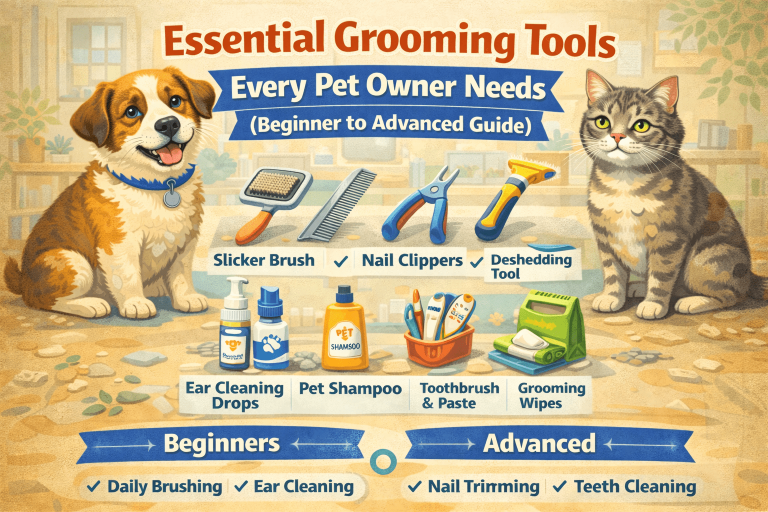
1. Regular Brushing
Brushing removes loose hair before it falls.
Frequency:
- Short coats: 1–2 times weekly
- Long coats: Daily or every other day
Choose brushes based on coat type.
2. Improve Nutrition
Feed high-quality, balanced diets.
Consider:
- Protein quality
- Fatty acid content
- Adequate hydration
Never add supplements without vet approval.
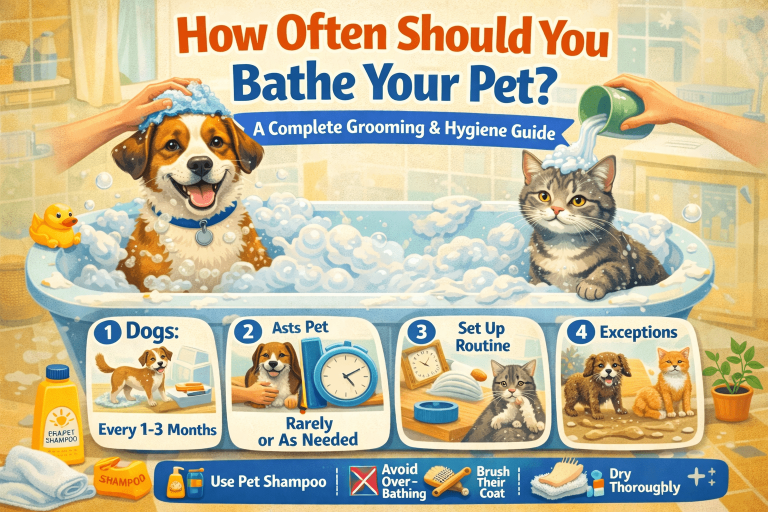
3. Bathing (In Moderation)
Occasional bathing helps remove dead fur.
Use:
- Pet-safe shampoo
- Lukewarm water
Over-bathing increases shedding.
4. Control Parasites
Fleas and mites irritate skin, increasing hair loss.
Maintain year-round parasite prevention.
5. Maintain a Consistent Routine
Predictable routines reduce stress-related shedding.
Shedding Control for Cats
Cats benefit from:
- Gentle brushing
- Hairball-control diets
- Calm handling
Never shave cats unless medically necessary.
Shedding Control for Dogs
Dogs may need:
- Deshedding tools
- Seasonal grooming adjustments
- Professional grooming support
Avoid shaving double-coated breeds.
Common Shedding Myths
❌ “Shaving stops shedding”
❌ “Shedding means poor health”
❌ “Indoor pets don’t shed”
Understanding prevents harmful practices.
When to See a Veterinarian
Seek professional advice if shedding is:
- Sudden and severe
- Accompanied by itching or redness
- Paired with weight or behavior changes
🎥 YouTube Video Suggestion:
Conclusion
Shedding is part of pet ownership—but excessive shedding doesn’t have to be. With proper nutrition, grooming, and stress management, you can keep your pet’s coat healthy and your home cleaner.